
 Some people are content to wonder how something works. Others have to take it apart. And every once in a while, someone comes along who isn’t satisfied until he has built it himself, tested it himself, and pushed it farther than anyone thought reasonable.
Let me introduce you to Jimmy.
As a boy, he was fascinated by machines and by places he couldn’t easily reach. He built things with his hands, experimented, tinkered, and imagined. Boats. Rockets. Mechanical devices. Even crude childhood attempts at creating containers that could travel beneath the water. There was no obvious path from that curiosity to what would come later, but the spark was there.
As a young man, Jimmy went to college but didn’t finish. Instead, he worked ordinary jobs, including driving a flatbed diesel truck. There was nothing glamorous about it. No mentors. No industry connections. No one grooming him for an extraordinary career. But Jimmy was learning.
 In his spare time, he devoured technical information. He sat in university libraries reading graduate papers on optics, lenses, and visual effects. He studied how images were created and how illusions could be engineered into reality.
Then he saw a movie that changed the direction of his life.
It didn’t just entertain him. It proved that the worlds in his head could be put on a screen—if he could figure out the machinery to do it. That challenge became an obsession.
 Jimmy began teaching himself an entirely new craft. He scraped together enough money to make a short film of his own, despite knowing very little about professional filmmaking when he started. From there, he found work with a producer famous for making movies quickly and cheaply. It wasn’t prestigious work, but it was an education—the kind you can’t buy, only earn.
He built miniature sets out of discarded packaging and worked with special effects on shoestring schedules. If a camera rig didn’t exist, he built one. If something couldn’t be purchased, it had to be invented. If there wasn’t time to do it the conventional way, someone had to figure out another way.
 Jimmy became the person who solved problems no one else could.
Before long, he was being trusted with larger responsibilities, and as the opportunities grew, so did the size of his ideas. His stories demanded technology that didn’t yet exist. New camera systems had to be created, digital techniques had to be pioneered, and entire underwater lighting systems had to be engineered. Worlds were constructed from raw imagination and made so convincing that audiences forgot they weren’t real.
Each success earned him permission to attempt something more difficult. There were projects that seemed too expensive, projects that seemed too technically complicated, and projects critics warned would become historic disasters.
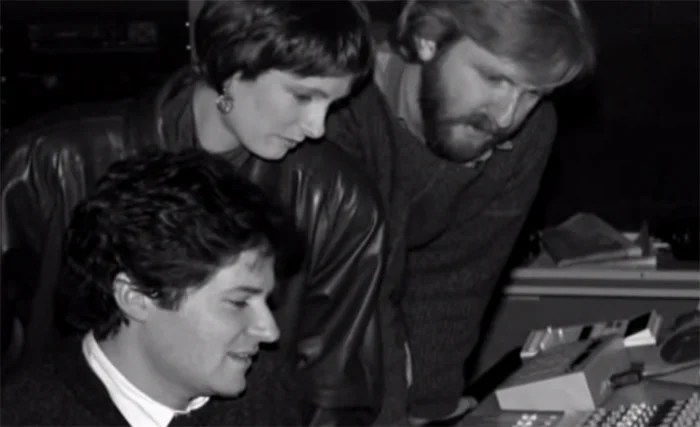 He made them anyway.
And while millions of people around the world came to know the colossal stories Jimmy created on the screen, something else was happening away from the cameras. The fascination with the ocean that had begun when he was young had never disappeared. In fact, it grew.
Jimmy didn’t merely want to create the illusion of the abyss. He wanted to understand it.
So he became deeply involved in deep-sea engineering, submersible design, and extreme exploration. He led expeditions, helped explore shipwrecks, and traveled to places most people would only ever see through a monitor.
Still, that wasn’t far enough.
 In 2012, a vertical green submersible began descending into the western Pacific Ocean with only one person inside. The vessel dropped through darkness and crushing pressure, passing depths where sunlight had long ceased to reach—one mile, two miles, three miles, and still farther downward. Eventually, it touched bottom at Challenger Deep in the Mariana Trench, nearly seven miles beneath the surface of the earth.
No human being had ever made that journey alone.
By now, you may have figured out that Jimmy wasn’t just an explorer.
The movie that changed the direction of his life was Star Wars. The low-budget producer who gave him his first real education in filmmaking was Roger Corman. The technologies he kept demanding helped create machines from the future, creatures from distant worlds, a doomed ocean liner, and an alien moon called Pandora.
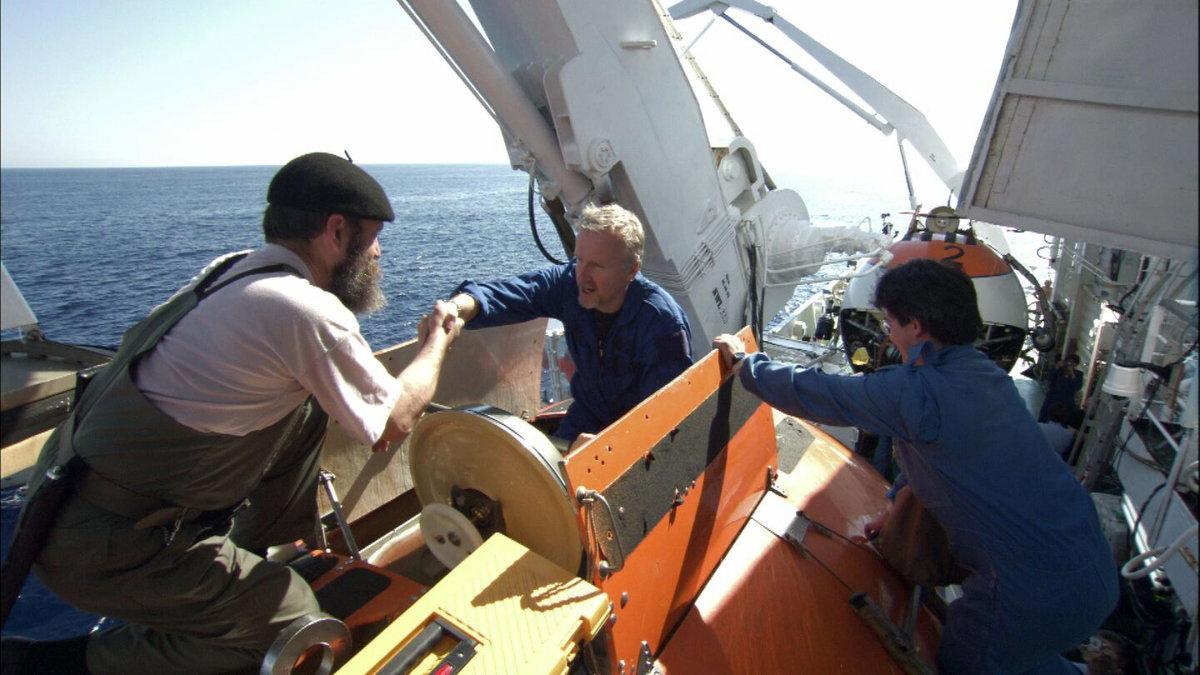 Jimmy was James Cameron.
The former truck driver who once sat in university libraries studying how movies were made became the man behind The Terminator, Aliens, Titanic, and Avatar. You probably knew James Cameron as the filmmaker whose movies filled theaters around the world. But you may not have known Jimmy—the boy building things because he wanted to understand them, the truck driver educating himself in university libraries, the young filmmaker making miniature sets from whatever he could find, and the problem-solver who kept demanding things that hadn’t been invented yet.
 Most of all, he was the explorer who climbed alone into a tiny submersible and traveled nearly seven miles beneath the Pacific Ocean because seeing the deepest place on earth through somebody else’s camera simply wasn’t enough.
Before he built a career creating places moviegoers could only visit through a screen, James Cameron built a life as someone who wanted to see for himself what was out there.
And that is the story between the lines.
Enjoyed this? Subscribe and get future reflections, bourbon notes, and assorted nonsense delivered straight to your inbox.
Copyright © 2026 Doug DeBolt
