Southern Sports Stillhouse: Week 4
 Three weeks into the college football season, a couple of things are becoming clear.
Scott apparently knows who is going to win and by how much. Doug knows how many points everybody is going to score.
Put the two of us together, and we might make one competent handicapper.
Last week:
|
Doug |
Scott |
| Straight Up |
7-3 |
8-2 |
| ATS |
6-4 |
8-2 |
| O/U |
6-4 |
3-7 |
Year to date:
|
Doug |
Scott |
| Straight Up |
22-8 |
27-3 |
| ATS |
15-15 |
23-7 |
| O/U |
20-10 |
10-20 |
Scott’s 27-3 straight-up record is ridiculous, and 23-7 against the spread isn’t far behind. But those totals have been another story.
Doug, meanwhile, is sitting at a perfectly mediocre 15-15 against the spread but has hit 20 of 30 totals.
Something has to give eventually.
Until then, pour something good and settle in. We’ve got five ranked-vs.-ranked games on this week’s Stillhouse slate and several others that could make some noise in the SEC and Big Ten races.
Raise a glass. Take a side.
First Pour
 Scott picks Green River “Bottle Your Own,” which came in a little white jug from the speakeasy in Louisville.
The color is dark copper. The nose carries peach and marmalade, with lighter notes of caramel and vanilla. There are nice tears on the Glencairn.
The palate leads with peach and a hint of pineapple, with cinnamon and oak playing a big role. The mouthfeel is syrupy and viscous, and the finish brings a Kentucky hug with oak and cinnamon.
Score: 86.91
 Doug brings out Jack-Son-Tucky Bottled-in-Bond, made nearby in Jacksonville Beach.
The color is light mahogany. The nose leads with creamy vanilla, warm cinnamon and brown sugar. Most Florida bourbons hit me with a dose of leather, but not this one.
It’s sweet, with hints of brown sugar, tart oak and red fruit, creamy caramel and light cinnamon. The mouthfeel is lightly viscous, and the finish is decent, with tart cherries, cinnamon and caramel leading.
Score: 84.41
On to the games.
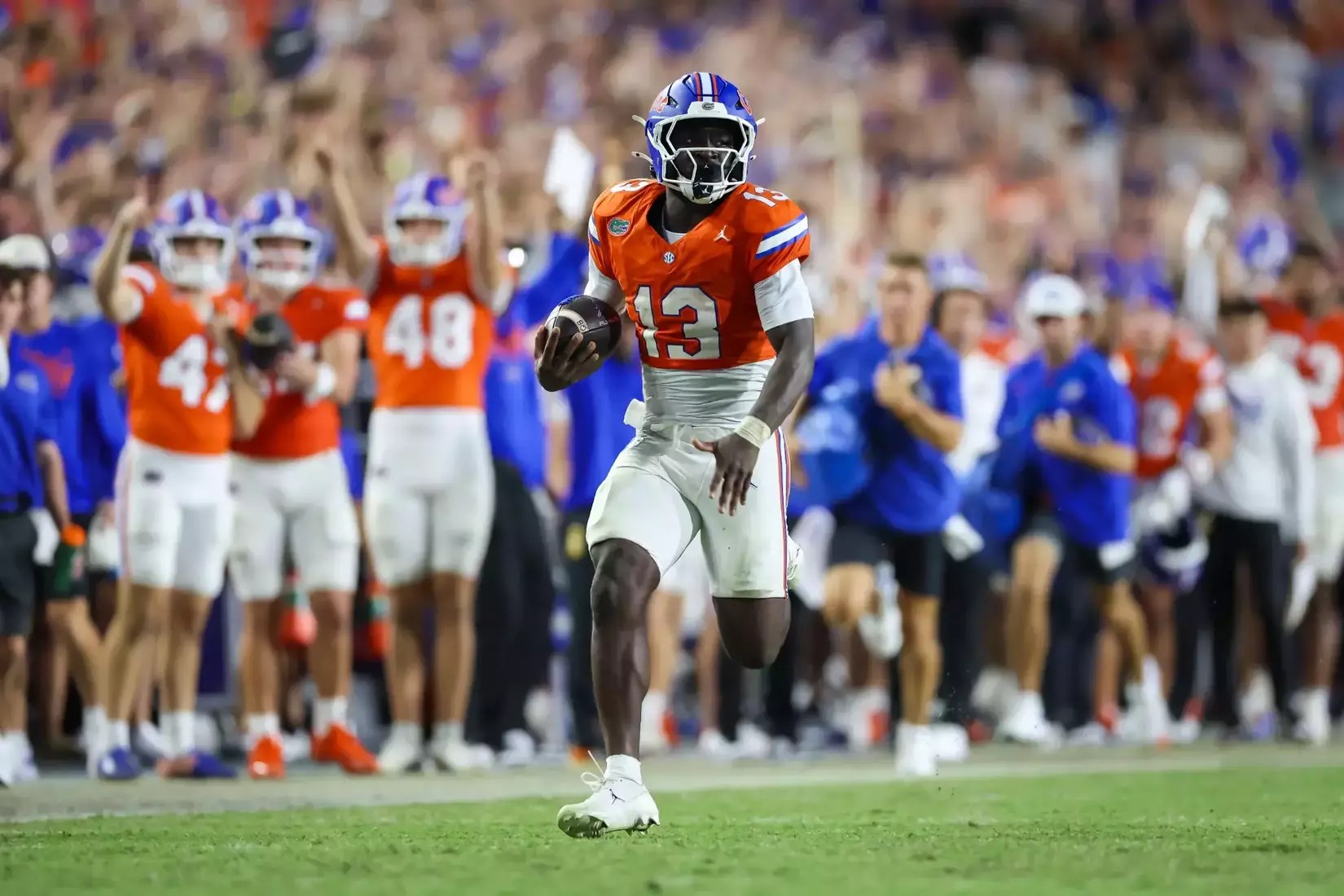
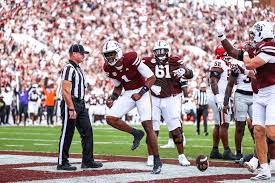
No. 4 Ole Miss at No. 21 Florida
Records: Ole Miss 3-0 (1-0 SEC); Florida 3-0 (1-0 SEC)
Where: Ben Hill Griffin Stadium, Gainesville, Fla.
Kickoff: 3:30 p.m. ET
TV: ABC
Stillhouse Line: Florida -3.5
Over/Under: 58.5
Ole Miss comes into Gainesville after one of the biggest wins of the young season, a 32-24 victory over LSU. Trinidad Chambliss has been sensational through three games, throwing for 924 yards and giving the Rebels a dynamic element both through the air and with his legs. Florida has been just as explosive, averaging 54 points per game, with Jadan Baugh already piling up 458 rushing yards and eight touchdowns.
The biggest question for Ole Miss may be the health of running back Kewan Lacy, who injured his shoulder against LSU. Florida’s bigger concern is on the other side. The Gators gave up 39 points at Auburn, and Chambliss is considerably more dangerous than anything they’ve faced so far.
 This one has shootout potential, but it may come down to whether Florida can get two or three critical stops rather than trying to shut Ole Miss down completely.
Intangibles: Ole Miss is coming off the emotional high of beating LSU and now has to go on the road against another ranked SEC opponent. Florida gets a packed Swamp and the chance for John Sumrall’s first true signature win as the Gators’ head coach.
Swing factor: Florida’s defense. If the Gators can keep Ole Miss somewhere around 30 instead of 40, their offense should give them a chance to win.
Scott: My heart says Florida, but my head says Ole Miss. We could probably be 7-5 unless we win a game we’re not supposed to win. Could this be that game? I think Trinidad Chambliss is the difference.
Ole Miss 38-31
Doug: I’m throwing caution to the wind here. I always think I’m jinxing the Gators when I pick them in big games, but something tells me Florida is due for a big win. I still think Ole Miss finishes strong this season and probably makes the College Football Playoff.
But the Gators have a team that can run with almost anyone. Jadan Baugh and the Florida offense will score just enough to offset the points the Gator defense allows.
The Florida crowd is the difference.
Florida 31-28
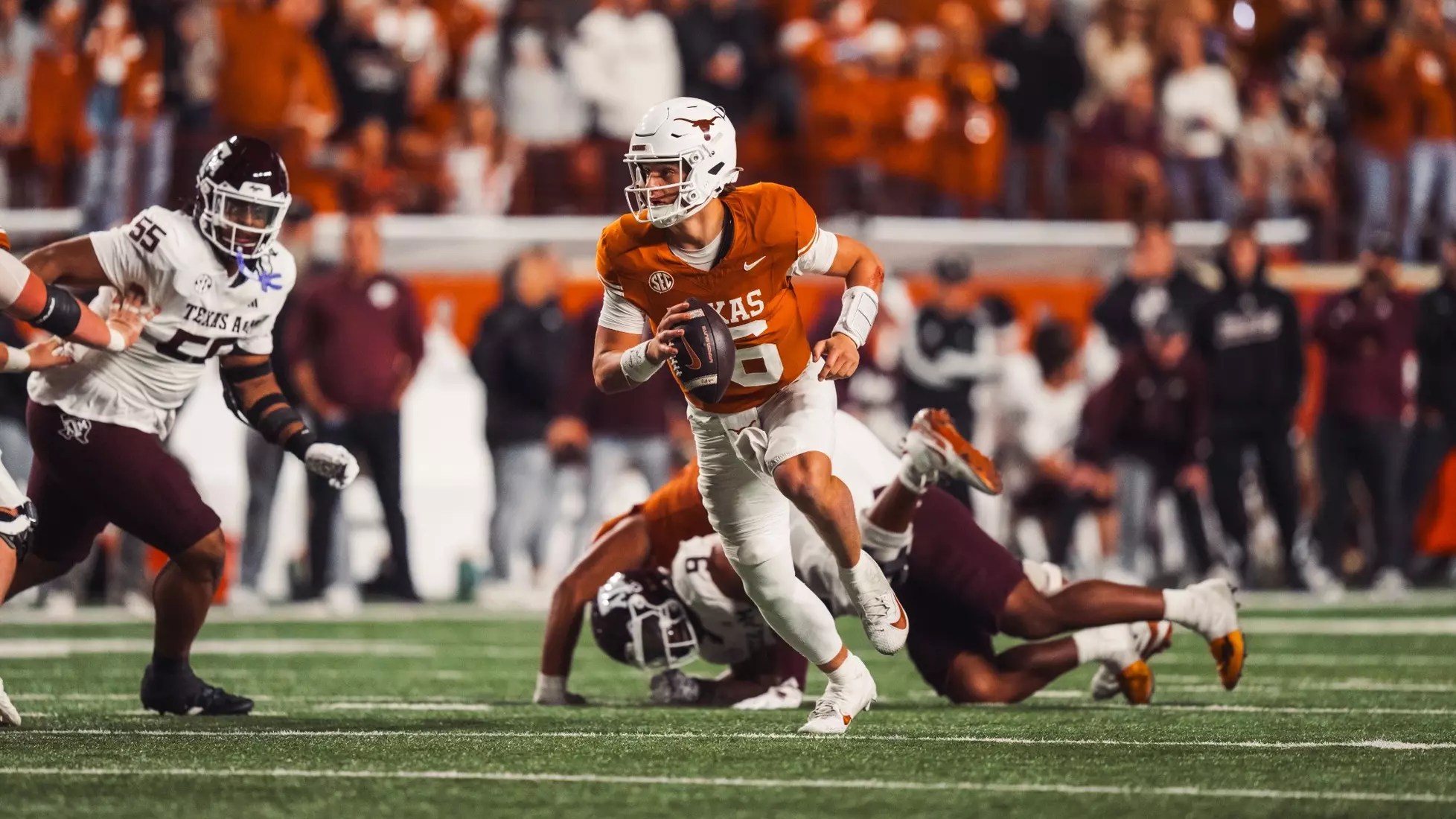
No. 1 Texas at No. 14 Tennessee
Records: Texas 3-0; Tennessee 3-0
Where: Neyland Stadium, Knoxville, Tenn.
Kickoff: Noon ET
TV: ABC
Stillhouse Line: Texas -5.5
Over/Under: 57.5
The No. 1 team in the country hits the road for the first time, and Neyland Stadium is not exactly the place anyone would choose for a gentle introduction to SEC road football.
 Texas is 3-0 largely because its defense has been terrific. The Longhorns held UTSA to 143 total yards last week even while the offense struggled to find a rhythm. Arch Manning has an embarrassment of riches around him, including Trey Wingo, but Texas hasn’t consistently looked like an unstoppable offensive machine yet.
Tennessee is also undefeated, with freshman quarterback Faizon Brandon getting his first real national-stage test. The Vols have the crowd, and an early Texas mistake could turn Neyland into a problem quickly.
Intangibles: College GameDay is in Knoxville. Tennessee is 2-17 all-time against AP No. 1 teams, and this is the kind of opportunity that can define a season. Texas, meanwhile, carries the pressure that comes with the No. 1 ranking into its first road environment.
Swing factor: Texas’ offensive start. The Longhorns have survived sluggish stretches because their defense has been dominant. Falling behind early at Neyland is a very different proposition.
Scott: Tennessee is 2-17 all-time against No. 1-ranked AP teams. Texas is just too consistent. The Vols will end up being 2-18 after this game.
Texas 24-20
Doug: Texas really does have an offensive lineup to remember, led by Arch Manning and Trey Wingo, but its defense is even better. Tennessee may keep this close, but the Longhorns are just better at the end of the day.
Texas 27-20
Oklahoma at No. 2 Georgia
Records: Oklahoma 2-1; Georgia 3-0 (1-0 SEC)
Where: Sanford Stadium, Athens, Ga.
Kickoff: 3:30 p.m. ET
TV: ESPN
Stillhouse Line: Georgia -13.5
Over/Under: 45.5
This looked like a marquee game before the season. Through three weeks, the gap appears considerably wider.
 Georgia is 3-0 and nobody has come within 32 points of the Bulldogs. Kirby Smart’s team has reloaded quickly and already looks like one of the most complete teams in the country.
Oklahoma is 2-1 and coming off a game in which it barely survived New Mexico. Quarterback John Mateer remains dangerous because of his ability to extend plays and hurt defenses with his legs, but the Sooners have struggled to finish drives consistently.
Against most teams, Mateer’s improvisation can cover some flaws. Against Georgia’s speed and discipline, it can also turn into sacks, turnovers and long-yardage situations.
Intangibles: This is Oklahoma’s first trip to Sanford Stadium and only the second meeting between the programs. The first was Georgia’s 54-48 Rose Bowl overtime win after the 2017 season. The atmosphere between the hedges won’t make Oklahoma’s offensive problems any easier.
Swing factor: Oklahoma’s ability to finish drives. Field goals — or empty possessions — won’t keep the Sooners in this game.
Scott: This could be a blowout. I expect the Sooners to get embarrassed between the hedges. Georgia has too many weapons, and I think they’ll make Oklahoma look like Arkansas.
Georgia 45-10
Doug: I also don’t think this will be as close as we might have assumed before the season. Georgia has come together more quickly than I thought it would, and it’s looking like the Dawgs and Longhorns could be playing for the SEC title at the end of the year.
I don’t see the same level of blowout Scott does, but it won’t be close.
Georgia 31-10
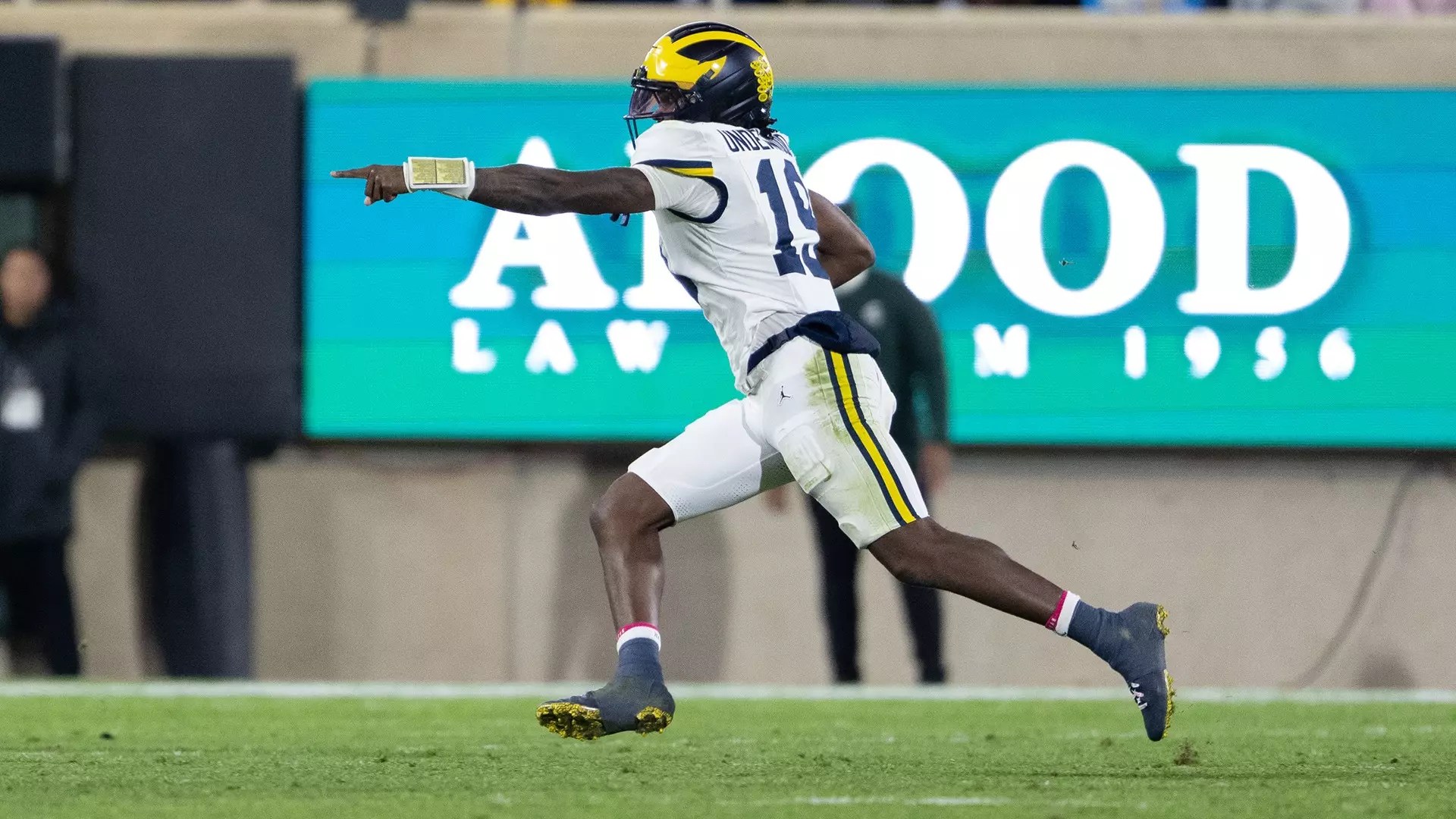
No. 17 Iowa at No. 18 Michigan
Records: Iowa 3-0; Michigan 3-0
Where: Michigan Stadium, Ann Arbor, Mich.
Kickoff: 3:30 p.m. ET
TV: CBS
Stillhouse Line: Michigan -5.5
Over/Under: 39.5
If you like defense, field position and the possibility of a punt becoming one of the most important plays of the afternoon, welcome to Iowa-Michigan.
 Both defenses rank among the nation’s best. Michigan is allowing only 220 yards per game, while Iowa’s identity remains what you would expect: run the football, protect the ball and force the opponent to earn everything.
Iowa rushed for 422 yards against Northern Iowa, with three backs topping 100 yards, while quarterback Hank Brown has yet to turn the ball over. Michigan counters with Bryce Underwood, who has thrown for 504 yards and added 156 on the ground.
Michigan has more explosiveness. Iowa would probably prefer nobody use that word at all Saturday.
Intangibles: Michigan has won four straight in the series, and Iowa hasn’t won in Michigan Stadium since 2010. The Wolverines also get the Big House for their Big Ten opener.
Swing factor: First-down efficiency. If Iowa stays ahead of the chains, it can shrink the game and put pressure on Michigan. If the Hawkeyes are consistently facing third-and-long, Michigan’s defense can take over.
Scott: I can’t stand Michigan. They haven’t really played anyone, and that includes Oklahoma. The Wolverines win a higher-scoring affair than most people expect.
Michigan 27-24
Doug: After the Wolverines escaped against Western Michigan, they’ve looked like a much different and more confident team. Iowa likes a physical, low-scoring game, and that’s what I expect to see.
Michigan wins a fairly close one.
Michigan 20-13
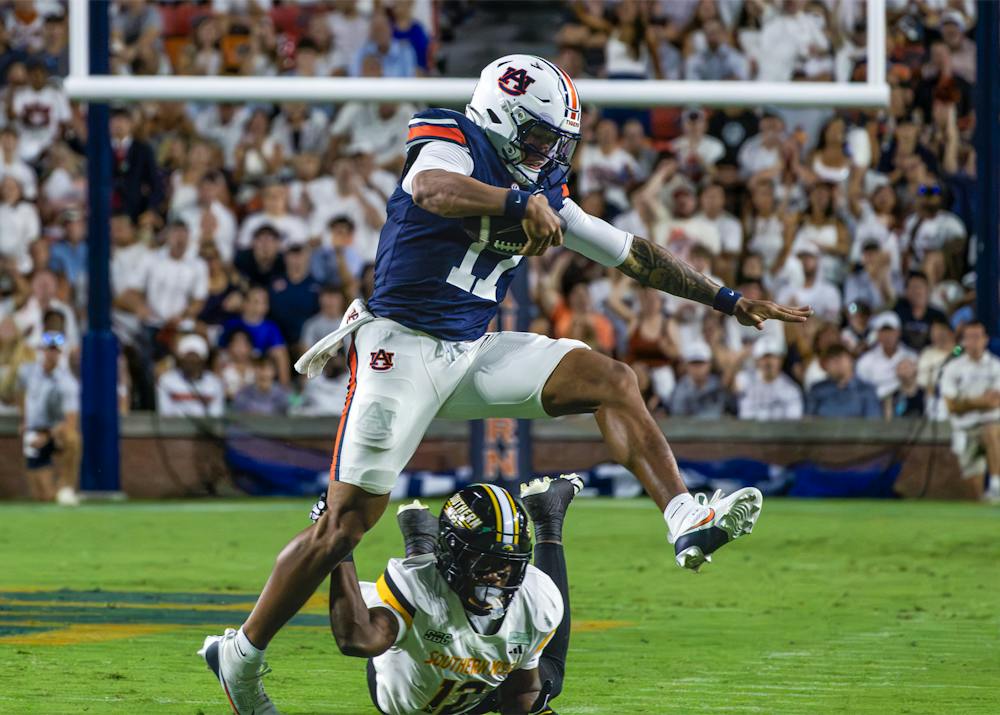
Vanderbilt at Auburn
Records: Vanderbilt 3-0; Auburn 2-1 (0-1 SEC)
Where: Jordan-Hare Stadium, Auburn, Ala.
Kickoff: 4:15 p.m. ET
TV: SEC Network
Stillhouse Line: Auburn -9.5
Over/Under: 52.5
Vanderbilt may be 3-0, but the Commodores arrive at Auburn in unusual fashion. They trailed NC State by 17 points multiple times last week and led for exactly one second — the one that mattered — after recovering a fumble in the end zone for the winning touchdown.
 Freshman quarterback Jared Curtis accounted for 341 total yards in his first start. Now he gets his first road start, and it comes at Jordan-Hare Stadium.
Auburn needs to recover quickly from a 44-39 home loss to Florida. Byrum Brown is the centerpiece of Alex Golesh’s offense and can stress Vanderbilt with both his arm and his legs. If Auburn gets rolling early, Curtis may find himself having to throw in a much less friendly environment than he saw last week.
Intangibles: It’s Auburn’s Homecoming, Vanderbilt’s first road game and Curtis’ first SEC road start. Auburn is also coming off a painful loss in a game it had every chance to win.
Swing factor: Jared Curtis’ composure. Vanderbilt doesn’t need him to be spectacular, but turnovers and negative plays could allow Jordan-Hare to swallow up a young quarterback quickly.
Scott: Vanderbilt is coming off a lucky win, and Auburn is coming off a heartbreaking loss. Auburn won’t stumble again.
Auburn 27-17
Doug: Vanderbilt is capable of surprising some more teams. QB Jared Curtis is the X-factor for the ’Dores, but Byrum Brown will one-up him and get the Tigers back into the win column.
Auburn 31-20
Bourbon Break
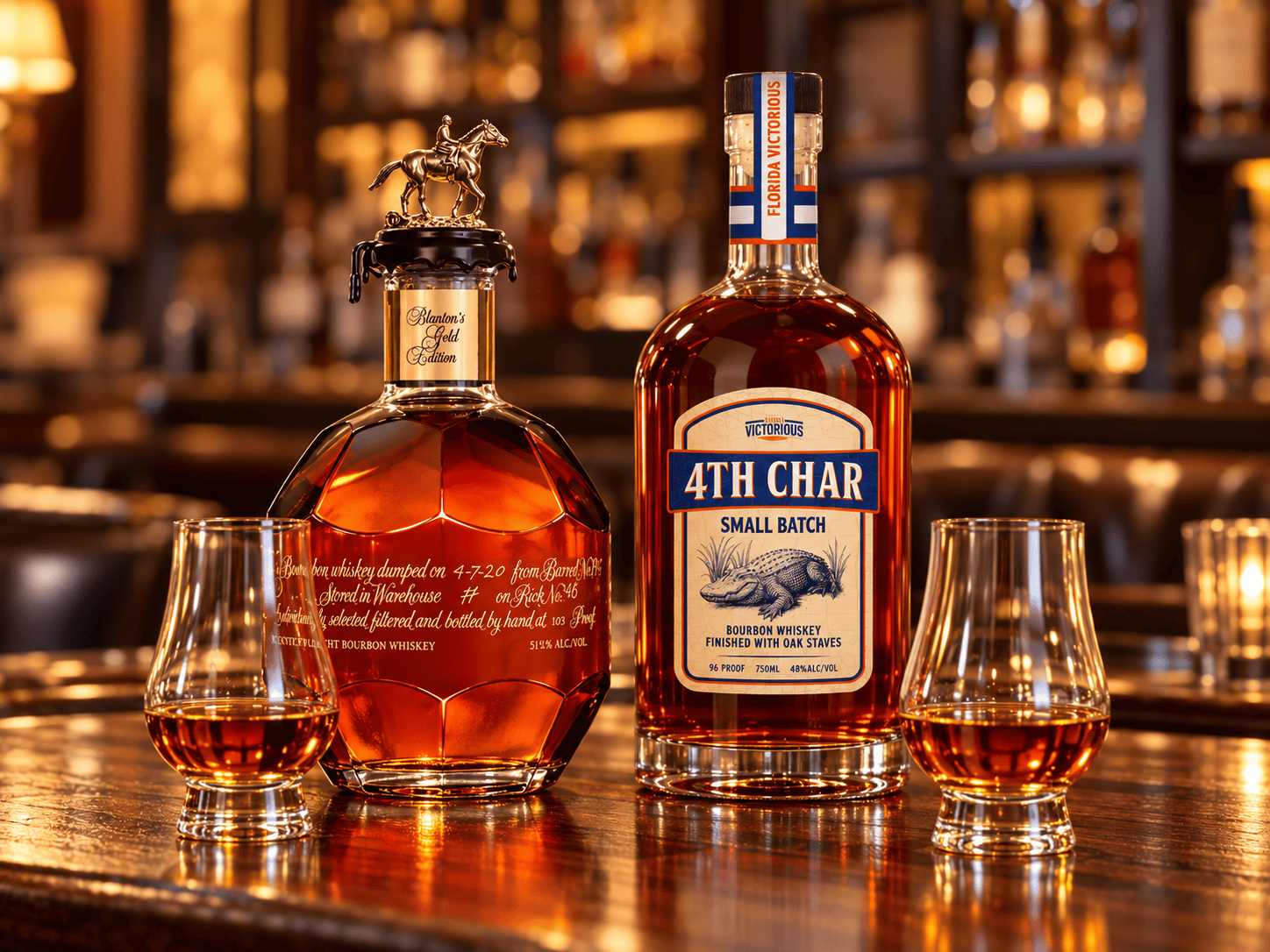
 Scott picks Blanton’s Gold.
It’s grape, caramel and light cinnamon on the nose. Bottled in 2024, it’s sweet and smooth — a total caramel-and-vanilla bomb. It reminds Scott of a soft, sweet Kraft caramel.
The color is amber to light copper. There’s not as much oak as you might expect out of a six- to eight-year single barrel.
“This is what bourbon should be.”
Doug picks Florida Victorious Fourth Char, a 96-proof small batch finished with oak staves.
This one is almost double-sourced — made for Florida Victorious by Bespoke Spirits, which sources its juice from MGP.
It’s light- to mid-copper in color, and the nose carries traditional notes of caramel and vanilla, baking spice and a soft balance of toasted oak.
The palate leads with brown sugar, cinnamon, nutmeg and a touch of anise. The mouthfeel suffers somewhat from being proofed down to 96, but it’s still decent.
The finish might be the weakest part of the pour, but it’s not terrible — all the flavors from the palate are there, just in lesser degrees.
Back to football.
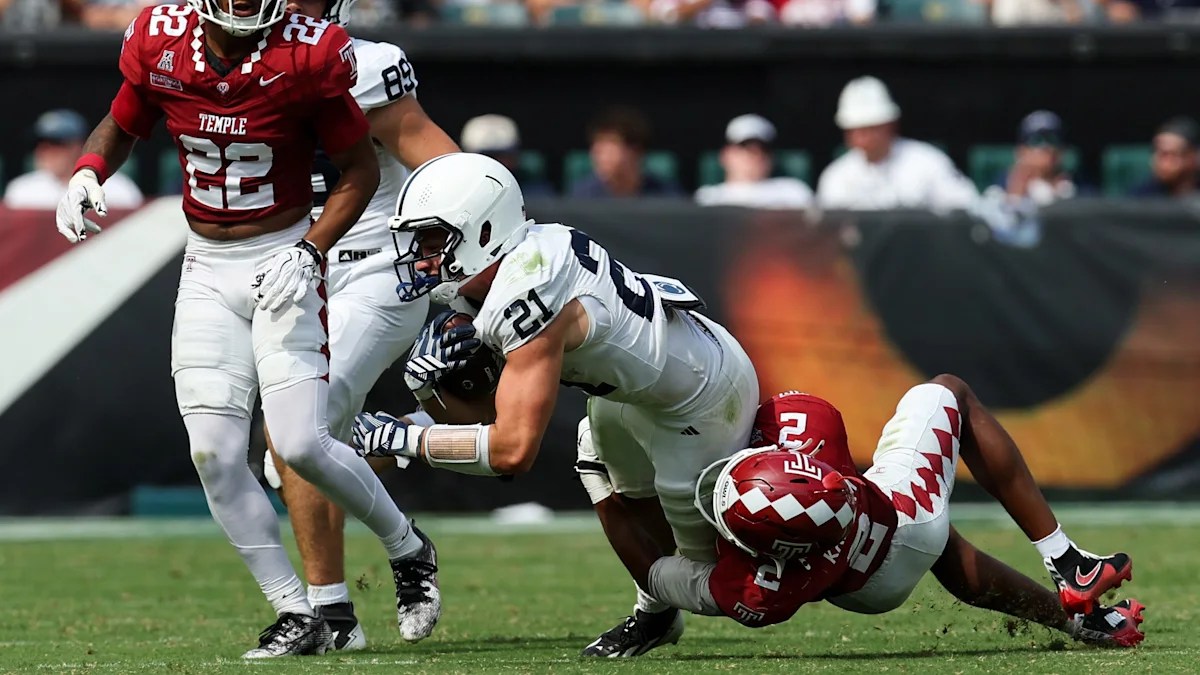
Wisconsin at No. 13 Penn State
Records: Wisconsin 2-1; Penn State 3-0
Where: Beaver Stadium, University Park, Pa.
Kickoff: 5 p.m. ET
TV: Peacock
Stillhouse Line: Penn State -10.5
Over/Under: 44.5
Wisconsin enters Big Ten play at 2-1 after blowing out Eastern Michigan 54-10, but Happy Valley represents a dramatic increase in difficulty.
 Quarterback Colton Joseph has thrown for 752 yards for the Badgers, while Abu Sama III gives them a running-game option that Penn State knows well. Sama transferred from Iowa State, as did Penn State running back Carson Hansen, adding a little familiarity to a game between programs that already prefer physical football.
Penn State is 3-0 and has won six straight against Wisconsin. If the Badgers are going to make this interesting, they’ll need to establish the run and keep the Nittany Lions from turning it into a game where Wisconsin has to chase points.
Intangibles: It’s Penn State’s Homecoming and helmet-stripe game, and Beaver Stadium is a difficult place to open conference play. Wisconsin hasn’t beaten Penn State since 2011.
Swing factor: Wisconsin’s running game. If the Badgers can consistently stay in manageable down-and-distance situations, this can become the kind of ugly game they want.
Scott: Wisconsin doesn’t look very good this year, and Penn State looks like a possible contender. The home-field advantage favors the Nittany Lions.
Penn State 31-21
Doug: Penn State could run the Badgers off the field, but I’m foreseeing a bit of a defensive battle. Even so, Penn State should dominate Wisconsin in a relatively low-scoring game.
Penn State 28-14
South Carolina at No. 8 Alabama
Records: South Carolina 2-1 (0-1 SEC); Alabama 3-0 (1-0 SEC)
Where: Bryant-Denny Stadium, Tuscaloosa, Ala.
Kickoff: 7 p.m. ET
TV: ESPN
Stillhouse Line: Alabama -12.5
Over/Under: 54.5
Alabama is undefeated, although the Crimson Tide have developed a habit of making things more interesting than necessary.
 They trailed Florida State 21-6 last week before scoring 20 unanswered points late in the first half and eventually winning 50-36. That came one week after Alabama exploded in the second half against Kentucky.
Freshman quarterback Keelon Russell continues to grow into the job, but South Carolina brings one of the conference’s most dangerous quarterbacks in LaNorris Sellers. The Gamecocks led Mississippi State 16-0 last week before the Bulldogs stormed back for a 41-34 win.
South Carolina has enough athleticism to make Alabama uncomfortable. The question is whether it can do it for four quarters.
Intangibles: Alabama is playing its first SEC home game of the season. South Carolina, meanwhile, has to recover mentally from blowing a 16-point lead and now enters Bryant-Denny against an Alabama team that has already shown it can erase deficits in a hurry.
Swing factor: Alabama’s first quarter. Eventually waking up has worked so far. Against better SEC teams, continuing to spot opponents early leads is going to become dangerous.
Scott: Alabama got surprised in the first half against Florida State, but that won’t happen two weeks in a row. This could be high scoring, but the Tide rolls.
Alabama 44-30
Doug: LaNorris Sellers can keep the Tide honest, but eventually Alabama tends to have its way, especially at home. Keelon Russell will have a big week, and the Tide should roll into Mississippi State undefeated.
Alabama 38-21
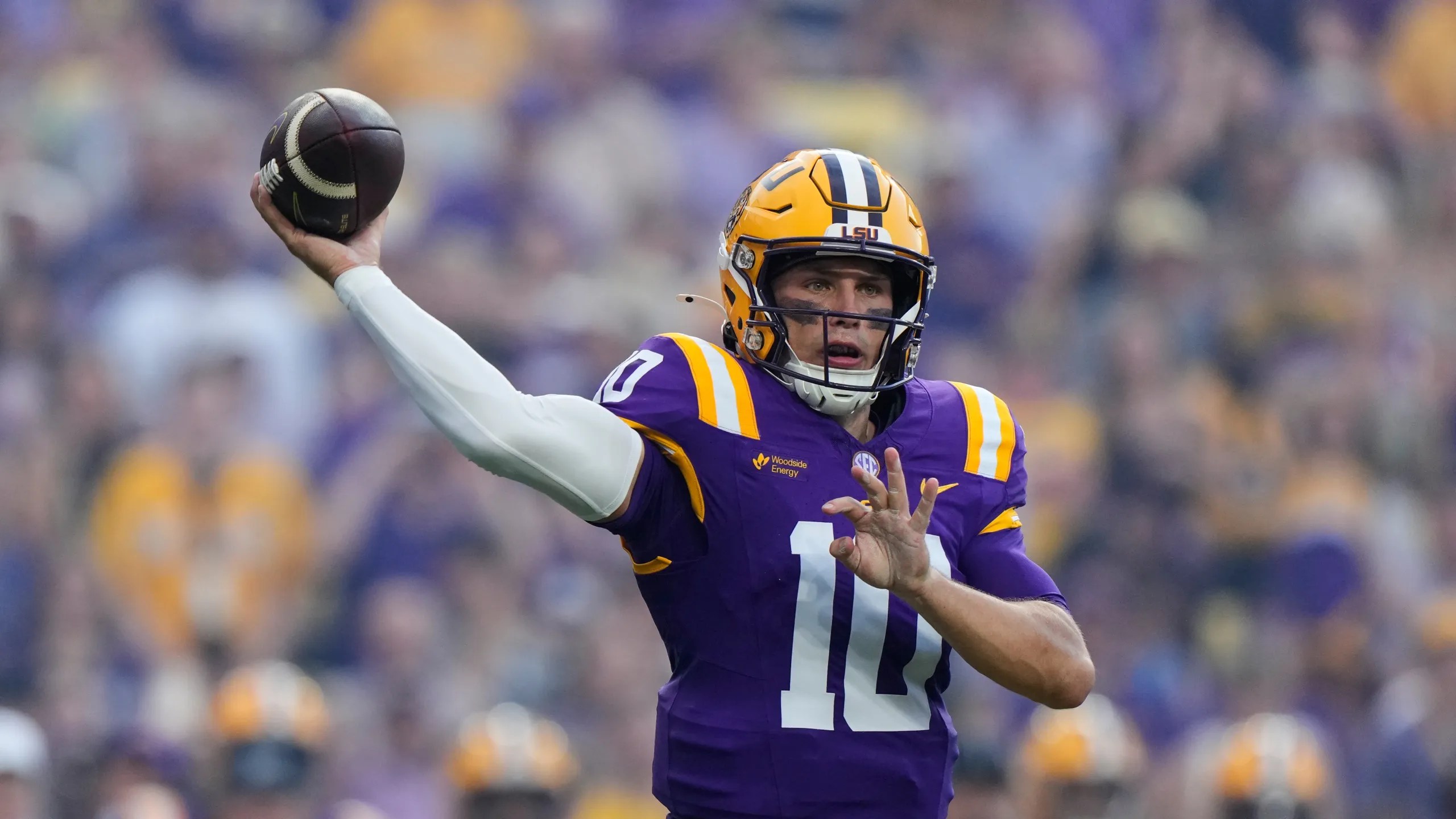
No. 23 Texas A&M at No. 10 LSU
Records: Texas A&M 2-1 (0-1 SEC); LSU 2-1 (0-1 SEC)
Where: Tiger Stadium, Baton Rouge, La.
Kickoff: 7:30 p.m. ET
TV: ABC
Stillhouse Line: LSU -7.5
Over/Under: 53.5
A week ago, both of these teams were in the Top 10. Now one of them is about to leave September with two SEC losses.
 Texas A&M was stunned 31-21 at home by Kentucky, while LSU lost 32-24 at Ole Miss. That makes this one of the highest-pressure games of the weekend.
A&M quarterback Marcel Reed has thrown for 632 yards and six touchdowns while remaining a threat with his legs. LSU’s Sam Leavitt has produced more total offense but struggled through the air at Ole Miss, throwing for only 158 yards with a touchdown and an interception.
LSU also enters the game shorthanded. Safety Dashawn Spears is out for the season, while tight end Trey’Dez Green is expected to miss time.
The Tigers do, however, have Dilin Jones in the backfield and Death Valley at night.
Intangibles: LSU has won 25 of its last 27 night games in Tiger Stadium, but Texas A&M won 49-25 in this building last season and has taken the last two meetings. Both teams know another conference loss this early would make the rest of the season extremely unforgiving.
Swing factor: Sam Leavitt’s passing game. His mobility is dangerous, but LSU needs more than 158 passing yards if A&M succeeds in making the Tigers one-dimensional.
Scott: Death Valley at night. That’s a brutal place to play a road game. Lane Kiffin is probably pissed, and he’ll take it out on the Aggies.
LSU 27-10
Doug: LSU’s loss at Ole Miss undoubtedly stings, but nothing cheers a team up more than a win over a hated rival. QB Sam Leavitt and RB Dilin Jones will get back on track.
LSU 31-20
No. 20 Oregon at No. 12 USC
Records: Oregon 2-1; USC 4-0 (1-0 Big Ten)
Where: Los Angeles Memorial Coliseum, Los Angeles, Calif.
Kickoff: 7:30 p.m. ET
TV: NBC
Stillhouse Line: Oregon -1.5
Over/Under: 62.5
If Iowa-Michigan is for people who love punting, Oregon-USC is for everybody else.
 Dante Moore and Jayden Maiava give this game two of the most talented quarterbacks in college football. Moore has been sharp for Oregon despite the Ducks’ early loss, while Maiava has already pushed USC to 4-0 and has the Trojans’ offense looking dangerous again.
The interesting part is the pressure on Oregon. The Ducks have won four straight in this series, six of the last seven and eight of the last 10, but USC appears considerably more dangerous than the versions Oregon has been beating.
The Trojans have the better record. Oregon is still favored.
That tells you about all you need to know about how close this matchup looks.
Intangibles: USC gets the Coliseum, but recent history belongs to Oregon. The Ducks are also 9-0 in Big Ten conference road games since joining the league. For a 2-1 Oregon team with playoff expectations, this already feels close to a must-have.
Swing factor: Which quarterback makes the late mistake. There should be plenty of offense, and one turnover in the fourth quarter could decide it.
Scott: USC is due for a defeat, and in spite of the loss, the Ducks aren’t that bad. They’ll get back on track.
Oregon 31-27
Doug: QB Dante Moore has been sharp, in part because of his stable of receivers. USC QB Jayden Maiava might be even better this year, having already exceeded the 1,000-yard threshold.
This might come down to the last team with the ball.
Oregon 35-31
No. 19 Missouri at No. 24 Mississippi State
Records: Missouri 3-0; Mississippi State 3-0 (1-0 SEC)
Where: Davis Wade Stadium, Starkville, Miss.
Kickoff: 7:45 p.m. ET
TV: SEC Network
Stillhouse Line: Mississippi State -3.5
Over/Under: 58.5
It might not have the name recognition of some of Saturday’s other games, but this could be one of the most entertaining matchups of the weekend.
 Mississippi State has been one of the early surprises in college football. The Bulldogs are averaging 47 points per game, and quarterback Kamario Taylor has already accounted for 1,010 yards of offense and 12 touchdowns. Running back Fluff Bothwell gives Jeff Lebby another weapon and is averaging nearly 100 rushing yards per game.
Missouri counters with Austin Simmons, who has completed 47 of 68 passes for 652 yards and eight touchdowns without an interception. Jamal Roberts gives the Tigers balance with 300 rushing yards through three games.
Missouri’s 27-17 win over Troy wasn’t particularly pretty — the Tigers were outgained 323-224 and ran only 49 offensive plays — but they found ways to win with turnovers and special teams.
Mississippi State has looked more explosive. Missouri has been more efficient with the football.
Intangibles: This is Missouri’s SEC opener and its first road game against a ranked opponent this season. Mississippi State has already won twice on the road and now gets Davis Wade Stadium with its first 3-0 start since 2017.
Swing factor: Explosive plays. Mississippi State has lived on them, particularly with Taylor. Missouri’s best path is making the Bulldogs drive the field rather than allowing quick-strike touchdowns.
Scott: This is the toughest game of the week to pick. The question is whether Mississippi State is for real. The Tigers always have offense, but the Bulldogs are one of the coolest surprises in college football this year.
I think Mississippi State keeps it going.
Mississippi State 21-13
Doug: Both teams have mobile, gunslinging quarterbacks — Austin Simmons for Missouri and Kamario Taylor for Mississippi State. The Bulldogs’ offense looks for real and should score just enough to keep Mississippi State undefeated.
Mississippi State 31-28
Ten games. Twenty picks. Two bourbons.
By Saturday night, some of this will look brilliant, some of it will look ridiculous, and Scott will probably somehow be 9-1 against the spread again while missing every total on the board.
The bourbon, as always, remains undefeated.
Raise a glass. Take a side.
Enjoyed this? Subscribe and get future reflections, bourbon notes, and assorted nonsense delivered straight to your inbox.
Copyright © 2026 Doug DeBolt.

 Republican Vice President Richard Nixon faced off in the debate against the Democrat nominee, Senator John F. Kennedy. Nixon had recently been hospitalized for a knee infection, and he had maintained an intense campaign schedule following his stay in the hospital. When he arrived for the debate, Nixon appeared tired and had a “five o’clock shadow.” Kennedy, meanwhile, was well-rested and clean-shaven. Though the two candidates were only four years apart in age, Nixon looked like an old man compared to Kennedy’s youthful appearance.