
In bourbon, expectation changes the way we experience a pour. A label, an age statement, a reputation or a price tag can all start shaping the taste before the whiskey ever reaches the tongue.
This is why blinds are so helpful. Strip away the expectation and just taste something for what it is.
It can be humbling.
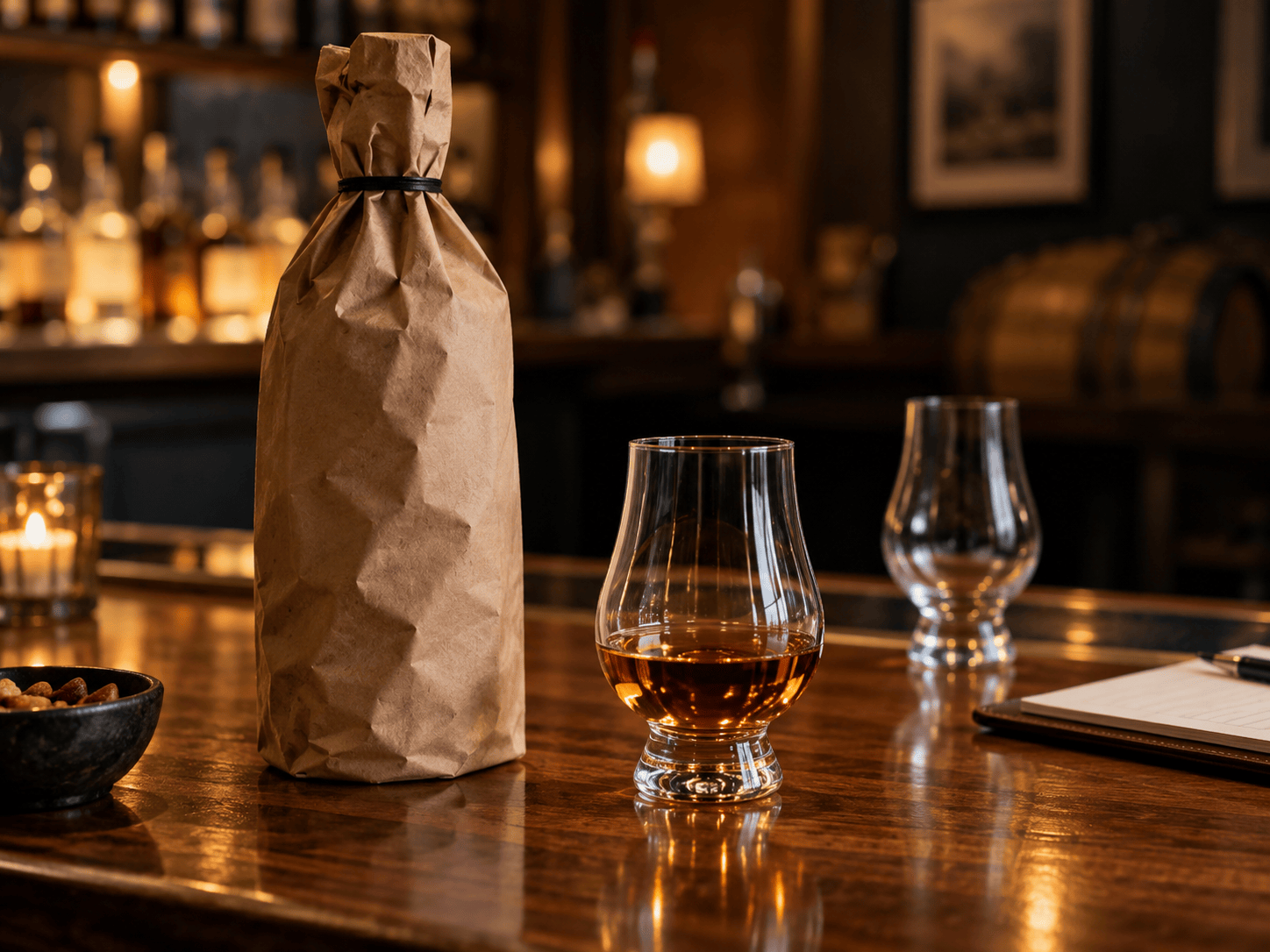 A bottle you were certain you loved may suddenly seem merely good when you don’t know what you’re drinking. Something inexpensive that you probably would have overlooked can become the best pour on the table. Occasionally, the bottle you’ve been bragging about gets beaten by one you wouldn’t have bothered pulling off the shelf.
Nothing about the whiskey changed. What changed was what you brought to the glass.
We do that with far more than bourbon.
We walk into churches with expectations. We meet people carrying assumptions about who they are. We hear a preacher’s name, see a denomination on a sign, learn someone’s political affiliation, occupation, education or background, and begin constructing the experience before we’ve actually had it.
Sometimes we even do it with God.
We decide what He ought to do. We decide how quickly He ought to answer. We decide what His provision should look like, which door He should open, which problem He should remove and how the story ought to end. Then, when God doesn’t match the expectation we brought with us, we can miss what He is actually doing.
The disciples had expectations, too. They knew what the Messiah was supposed to look like. A suffering Savior wasn’t what many of them had imagined. Even after walking with Jesus, they sometimes struggled to understand Him because they were filtering what He said and did through what they already believed should happen.
Jesus repeatedly forced people to taste the pour blind, so to speak.
The Samaritan wasn’t supposed to be the hero. The tax collector wasn’t supposed to go home justified. The younger son wasn’t supposed to receive a celebration. The Messiah wasn’t supposed to wash feet. The King certainly wasn’t supposed to die on a cross.
Expectation kept telling people, “That can’t be right.”
Jesus kept showing them that God was doing something far greater than what they expected.
There is value in occasionally setting our expectations down long enough to encounter what is actually in front of us. That doesn’t mean abandoning discernment. A blind tasting still requires paying attention. In fact, it demands more attention because the label isn’t doing any of the thinking for us.
Faith can require the same thing.
Maybe God isn’t working the way you expected. Maybe the answer hasn’t come in the package you imagined. Maybe someone you’ve already labeled deserves another taste without all the assumptions you’ve attached to them. Maybe you’ve even decided something about yourself that God never said.
Strip away the label for a moment. Pay attention. Taste what is actually there. Because sometimes the biggest obstacle to recognizing something good isn’t what’s in the glass.
It’s what we expected to find there.
Enjoyed this? Subscribe and get future reflections, bourbon notes, and assorted nonsense delivered straight to your inbox.
Copyright © 2026 Doug DeBolt.
