
There was a time in America when the rules of courtship were pretty straightforward. Men did the asking, women did the waiting, and if a young lady hoped to find herself a husband, she generally had to hope that one of the eligible bachelors in town would eventually come calling.
For one young woman living in a small community in the Appalachian Mountains, that arrangement wasn’t working particularly well.
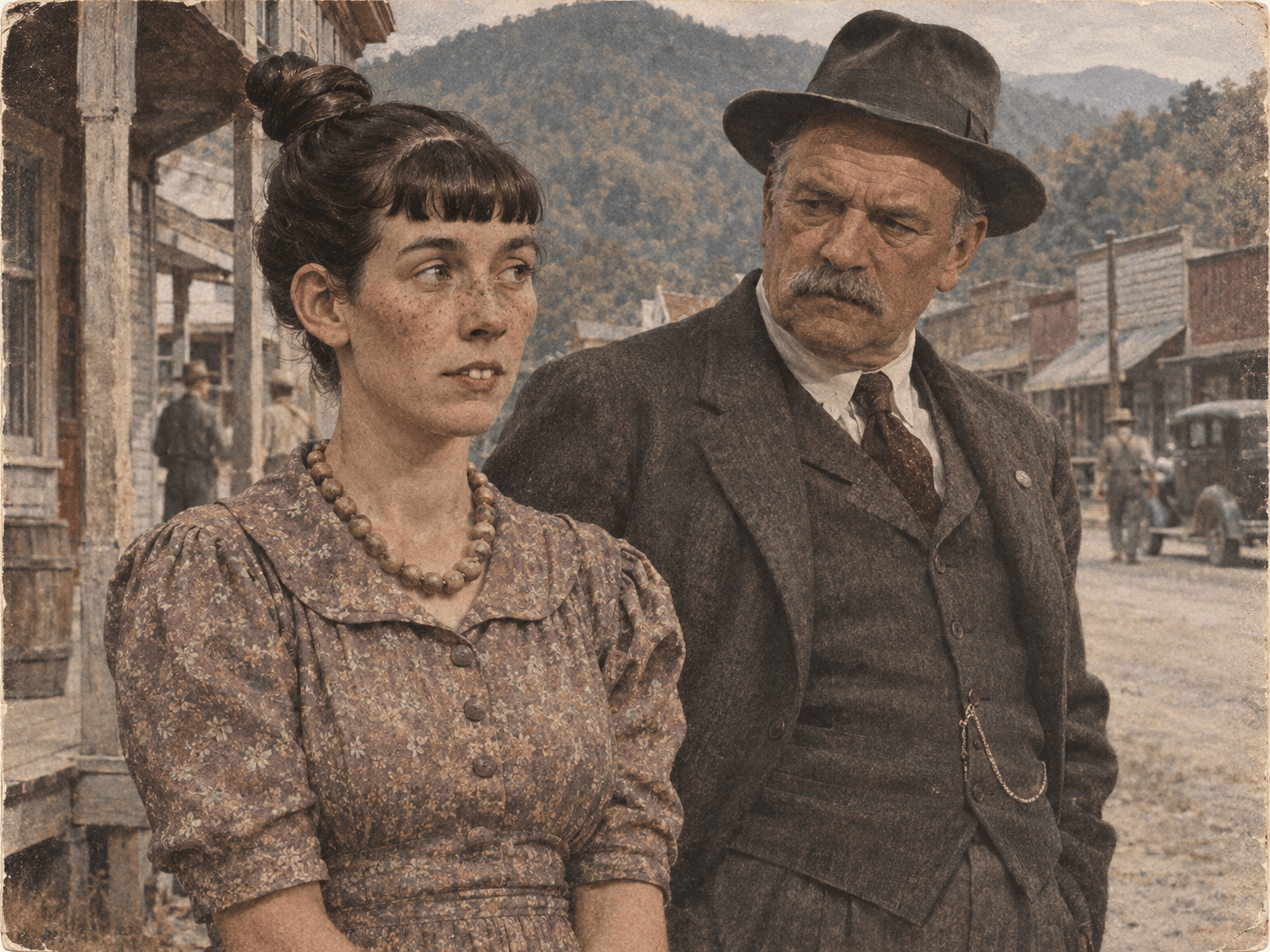 She wasn’t considered especially attractive. In fact, the people in her community were downright cruel in their assessment of her appearance. They considered her the homeliest girl in the surrounding hills, a distinction that wasn’t particularly helpful when it came to attracting a husband.
By the time she reached 35, she’d spent 15 years waiting for a man to propose. Not one had shown sufficient interest to make an honest woman of her. In an era when marriage was considered practically essential to a woman’s social standing, her prospects were looking increasingly bleak.
Her father was getting desperate.
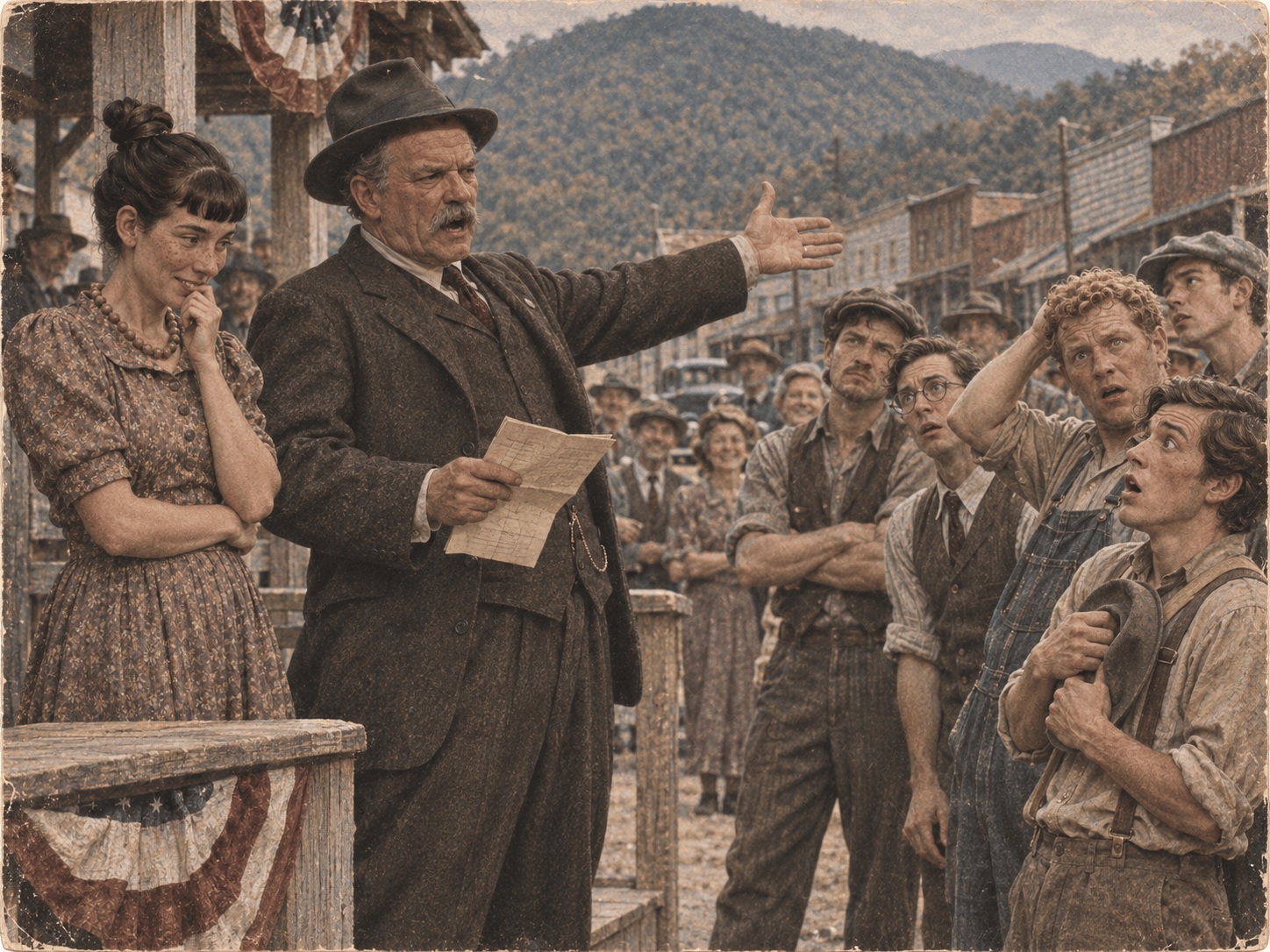 He was a prominent man in the community, serving as its mayor, and he had a certain amount of influence over local affairs. He was also a father who wanted to see his daughter happily married, and the local bachelors weren’t doing anything to help make that happen.
Something had to be done.
The mayor came up with a solution that was unconventional, to say the least. If the eligible men in town weren’t going to pursue his daughter, he’d arrange things so that she could pursue them. Literally. He decided to turn courtship into a footrace.
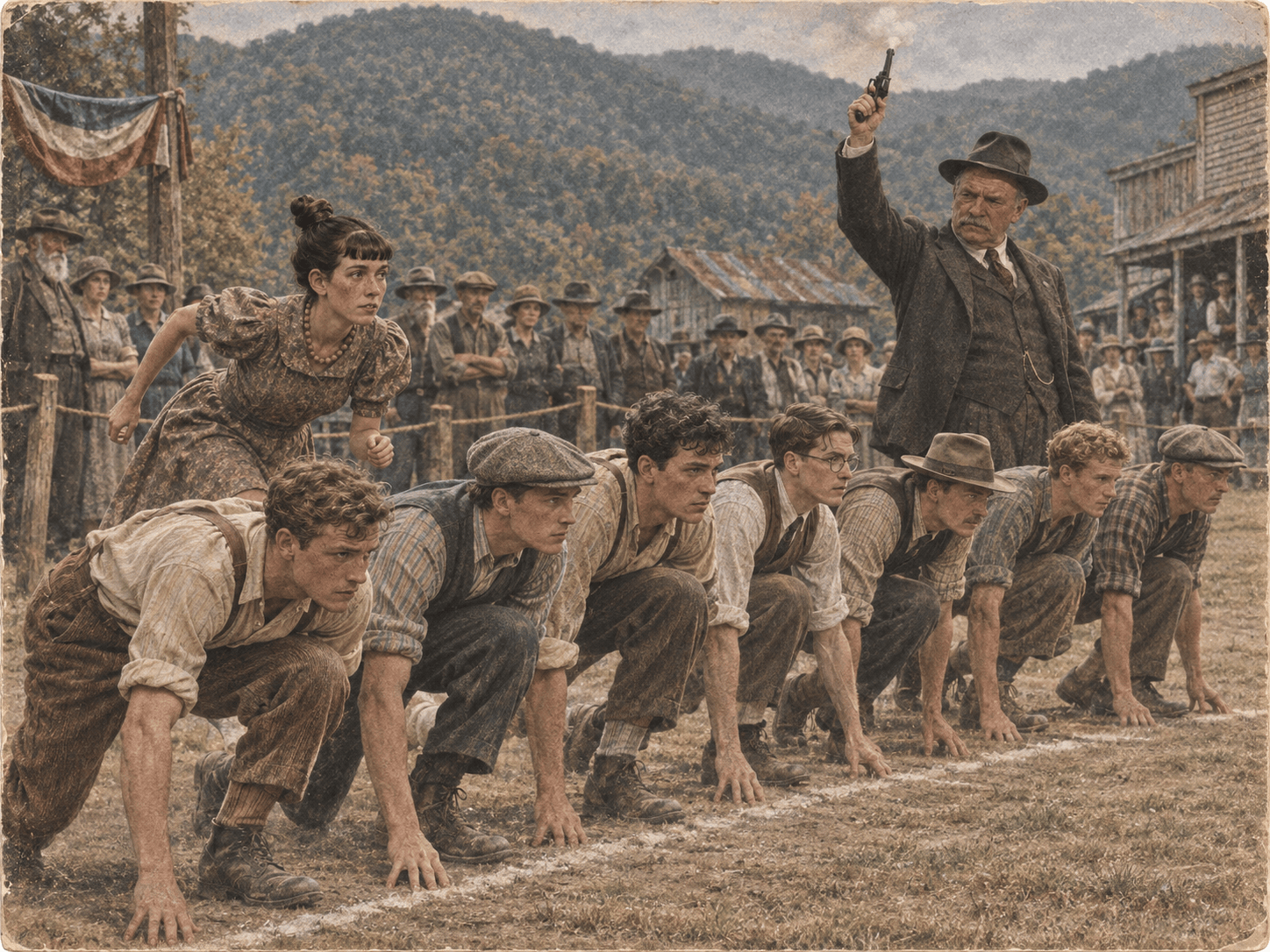 The mayor gathered the town’s eligible bachelors and informed them that they would be participating in a rather unusual competition. At the sound of a gunshot, the men would start running. His daughter would be released in pursuit, and any bachelor unfortunate enough to be caught would be required to marry her. It wasn’t exactly the sort of marriage proposal most young men dreamed about.
Of course, the arrangement dramatically reversed the customary roles of the day. Instead of a woman waiting patiently for a man to choose her, the men would be running for their lives while she did the choosing.
The competition presented the bachelors with an interesting dilemma. A young man might be fast enough to outrun his friends, but was he fast enough to outrun a determined woman who had spent 15 years waiting for a husband?
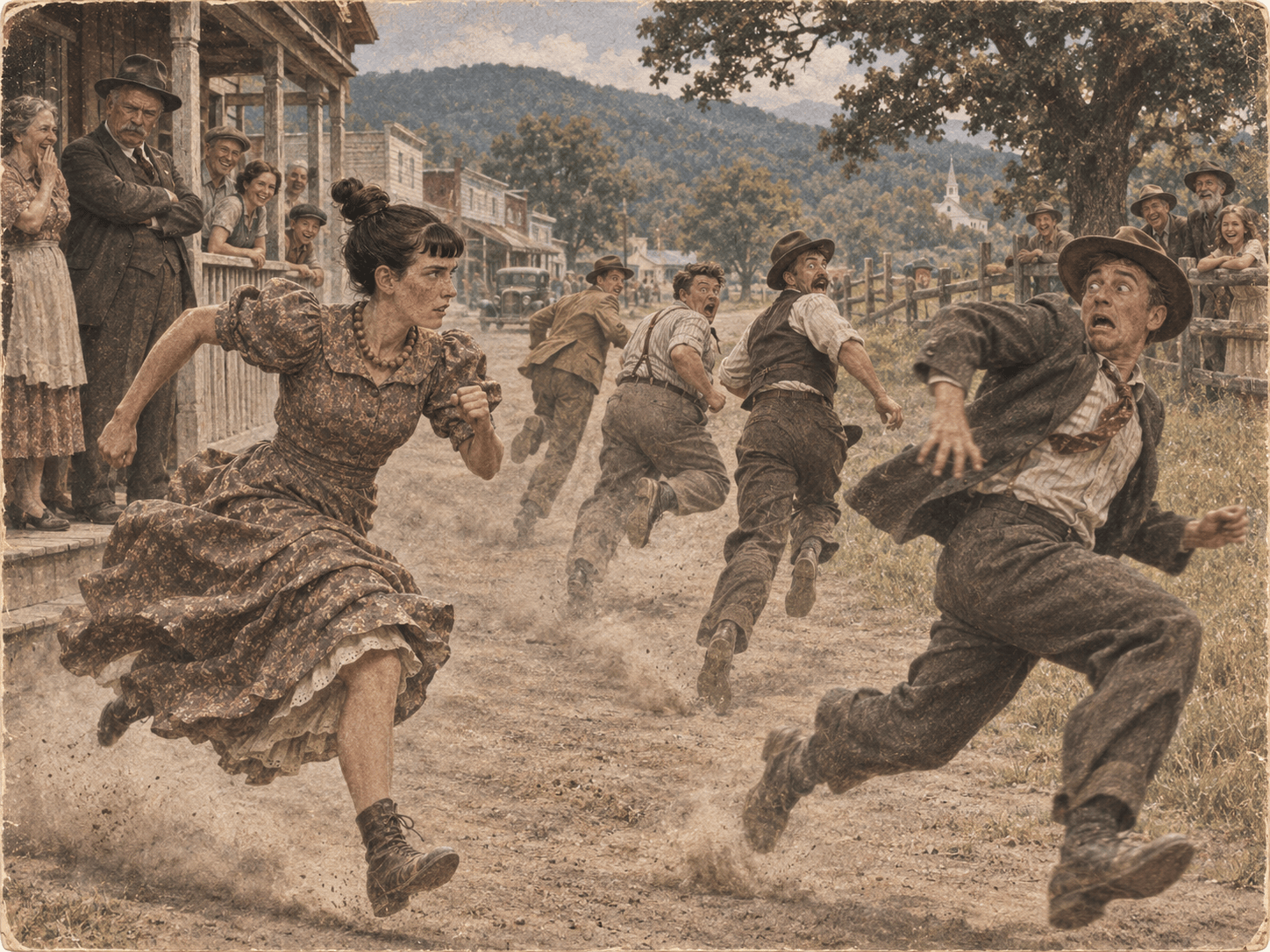 And what was supposed to happen if she caught him? According to the mayor’s rules, the answer was simple. He was getting married, whether he’d intended to or not.
The plan worked well enough that the unusual courtship contest became an annual tradition. Other unmarried women wanted the same opportunity. After all, if one woman could find a husband by chasing him down, why shouldn’t the others have a chance?
Soon the bachelors had good reason to dread the annual announcement. A man could spend the rest of the year avoiding matrimony, but when the appointed day arrived, he’d better have a comfortable pair of shoes.
The custom was ridiculous, of course. It was also a clever reversal of the social expectations of the time. For one day each year, the women were in charge of romantic pursuit, and the men were the ones who had to decide whether to surrender or make a run for it.
You might think such a peculiar tradition would have remained confined to a little Appalachian community. And you’d be wrong. By 1938, young people elsewhere in America had begun embracing the idea. The rules were considerably less demanding. Nobody was actually required to marry anyone, and the shotgun was generally left out of the festivities.
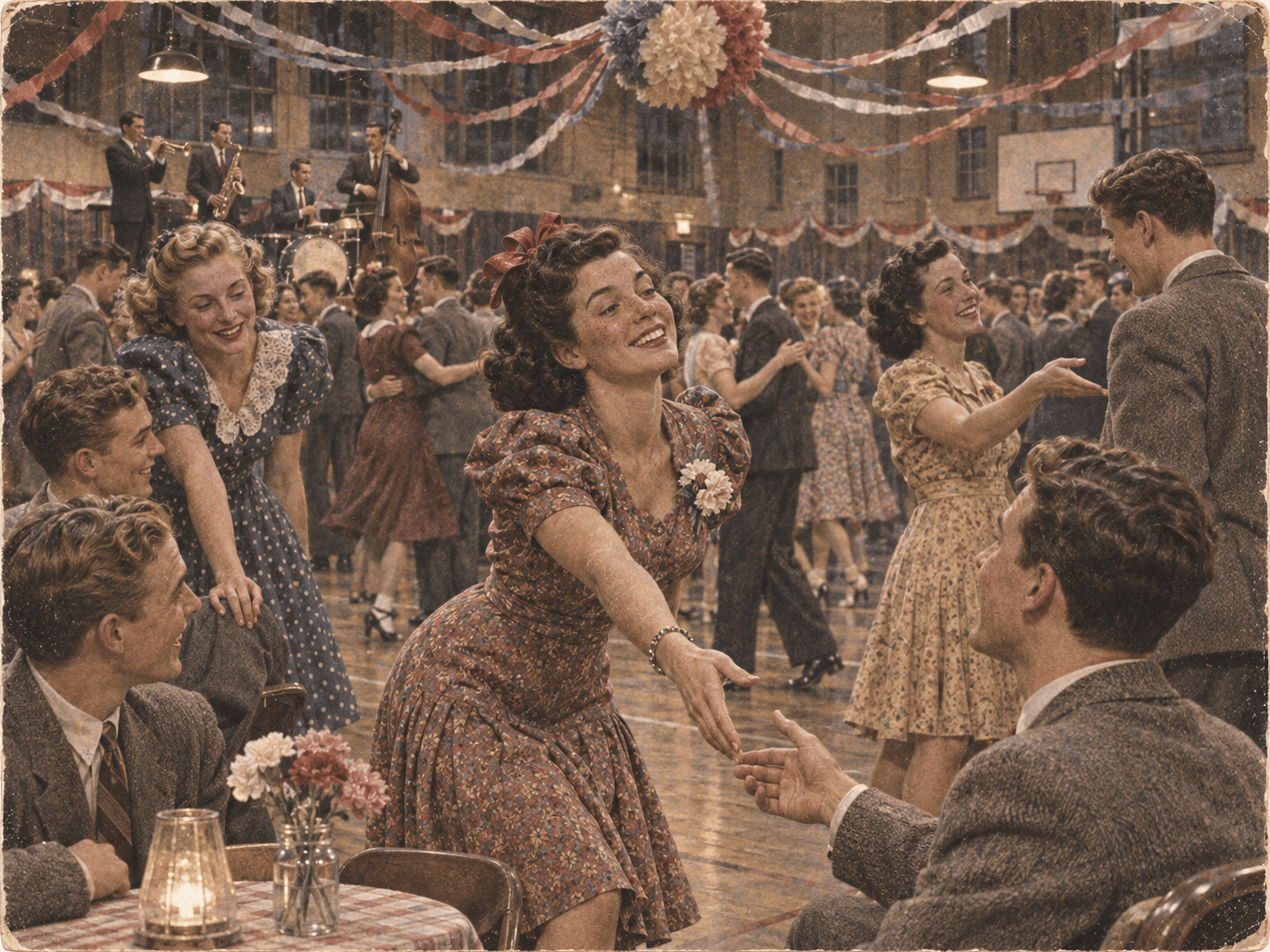 Instead, schools began organizing dances in which the girls invited the boys. That might seem unremarkable today, but in the late 1930s, reversing the customary dating arrangement was enough to attract considerable attention.
The practice spread with astonishing speed. In December 1939, Life magazine reported that 201 colleges in 188 cities had celebrated the occasion. Within another couple of years, hundreds of schools, clubs and even military installations were participating. What began as one father’s desperate attempt to solve his daughter’s marriage problem had become something of an American institution.
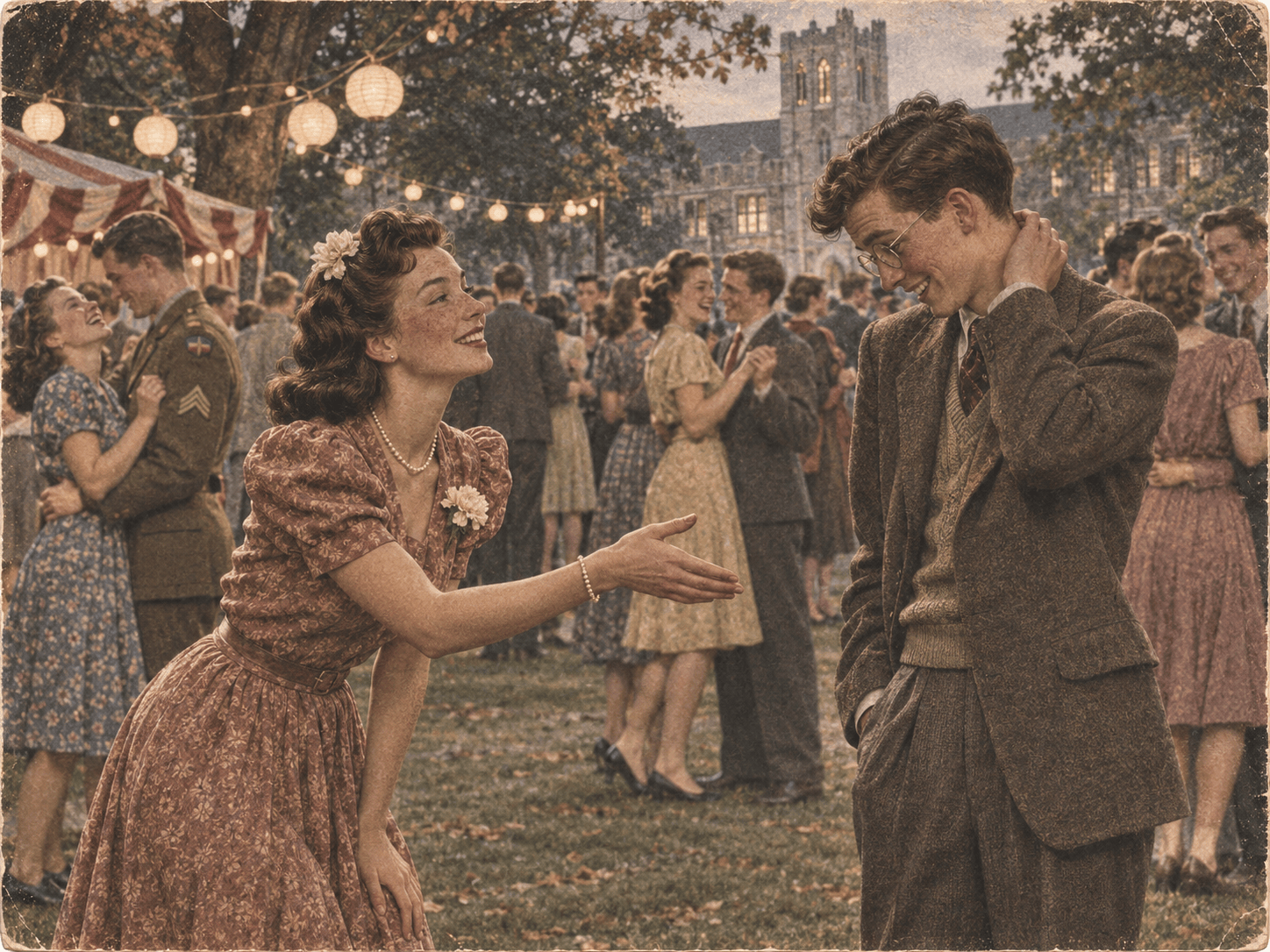 The dances continued through the 1940s and 1950s, and the tradition survived long after the original social expectations began to change. For generations of American teenagers, the annual event meant an evening when the girls could ask the boys without worrying about violating the unwritten rules of dating.
Some schools still hold these dances today. And all because one frustrated father decided that his unmarried daughter deserved a fighting chance at romance.
The daughter’s name?
Sadie Hawkins.
You might recognize it. For decades, American high schools and colleges have held Sadie Hawkins dances, where the girls invite the boys rather than the other way around. The observance is commonly associated with November 13, although the date has varied over the years.
But there’s a twist in the story about Sadie Hawkins that makes her story even more remarkable.
She never existed.
 Neither did her father. Neither did the little Appalachian town where this supposedly historic footrace took place. Sadie Hawkins was the invention of cartoonist Al Capp, who introduced her predicament in his enormously popular newspaper comic strip Li’l Abner on November 15, 1937.
The town was Dogpatch, Capp’s fictional Appalachian community, populated by a wonderfully strange assortment of characters. The marriage-minded Sadie and her shotgun-wielding father, Mayor Hekzebiah Hawkins, were part of a comic storyline that would eventually escape the funny pages and become a genuine American tradition.
Readers loved the idea so much that they decided to celebrate it themselves. Within a year, schools were organizing their own versions of the event. Nobody was forced into marriage, of course, but the central idea remained intact. The girls got to do the asking, and the boys got to experience what it was like to wait for an invitation.
Capp continued revisiting the event in Li’l Abner, turning it into an annual ordeal for his characters. His most famous bachelor, Li’l Abner Yokum, spent years trying to avoid being captured by the lovestruck Daisy Mae Scragg. She finally got her man in 1952, 15 years after Capp introduced the tradition.
Even the date became something of a curiosity. Although November 13 is commonly recognized as Sadie Hawkins Day today, Capp never intended it to be a fixed-date holiday. He chose the occasion himself each year, and schools across the country wrote to him asking when they should schedule their celebrations.
 Think about that for a moment. An American social tradition spread from one coast to the other, lasted for generations and changed the way countless young people approached dating, all because a cartoonist dreamed up a homely woman, an exasperated father and a group of terrified bachelors.
There was no real Sadie Hawkins. No desperate mayor. No historic footrace through the hills of Appalachia.But the dances were real. The invitations were real. And so were the millions of young people who eventually participated in a tradition inspired by a woman who had never drawn a breath.
Sometimes history is stranger than fiction. And sometimes fiction becomes history.
And that is the story between the lines.
Enjoyed this? Subscribe and get future reflections, bourbon notes, and assorted nonsense delivered straight to your inbox.
Copyright © 2026 Doug DeBolt.

What a fantastic slice of social history.